Quick answer
AI-generated illustration — not a retailer product photo.
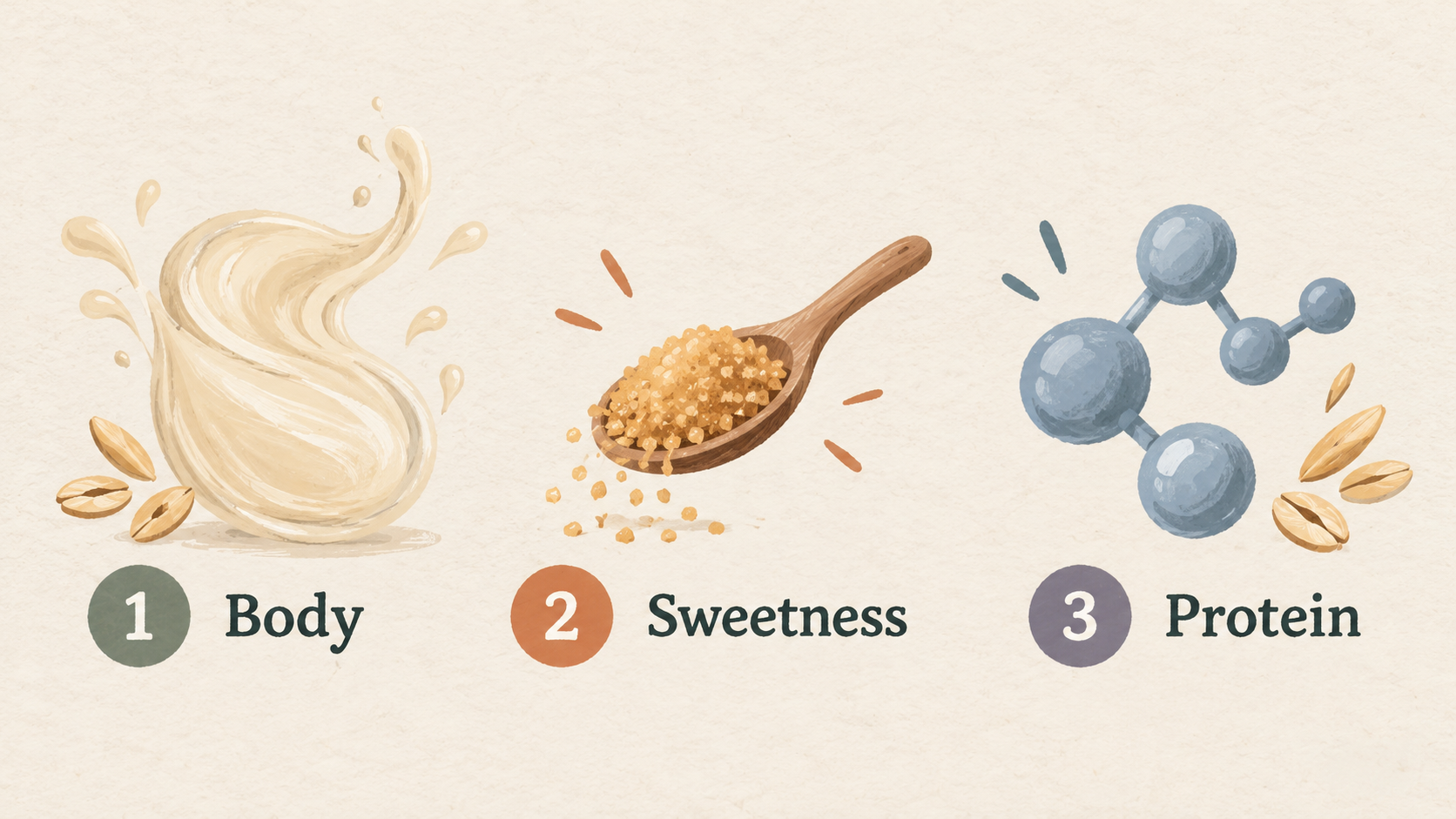
Choose an oat milkshake base by body first, sweetness second, and protein third. Oatly Barista Edition is a strong creamy-base candidate because barista-style oat drinks are built for body and stability. Alpro Soya High Protein Chocolate is better when the finished drink needs more protein and a chocolate direction. Huel Ready-to-drink is not a base in the same way, but it shows how plant-based bottles can move from milkshake-style drinking into meal-style nutrition.
The base decision
This article is an editorial desk review for shoppers, not a laboratory tasting panel. We used official brand pages, retailer listings, nutrition panels, ingredient lists, and pack-format information to make the comparison useful before purchase. Our site standards are described on the about page and in the editorial policy, and commercial relationships are covered in the affiliate disclosure. For this piece, the buying question is specific: choosing a plant-based base that actually supports the finished shake texture.
A home milkshake base has to carry cold ingredients. Thin oat drinks can taste fine in coffee or cereal but turn watery when blended with ice, fruit, cocoa, or protein powder. A barista-style oat drink usually gives more body. A protein soya drink can add nutrition, but it also brings its own flavour and sweetness.
| Base type | Best use | Texture risk | Nutrition note |
|---|---|---|---|
| Barista oat drink | Coffee, chocolate, cereal, and vanilla-style shakes | Can be too oat-forward for fruit if overused | Usually not high protein |
| Standard oat drink | Light fruit blends | Can become thin after blending | Check sugars and fortification |
| High-protein soya chocolate | Protein dessert-style shake | Chocolate flavour controls the recipe | Better protein contribution than oat drinks |
| Ready-to-drink complete bottle | Convenience drink, not a flexible base | Less room to customise | Broader nutrition, less recipe control |
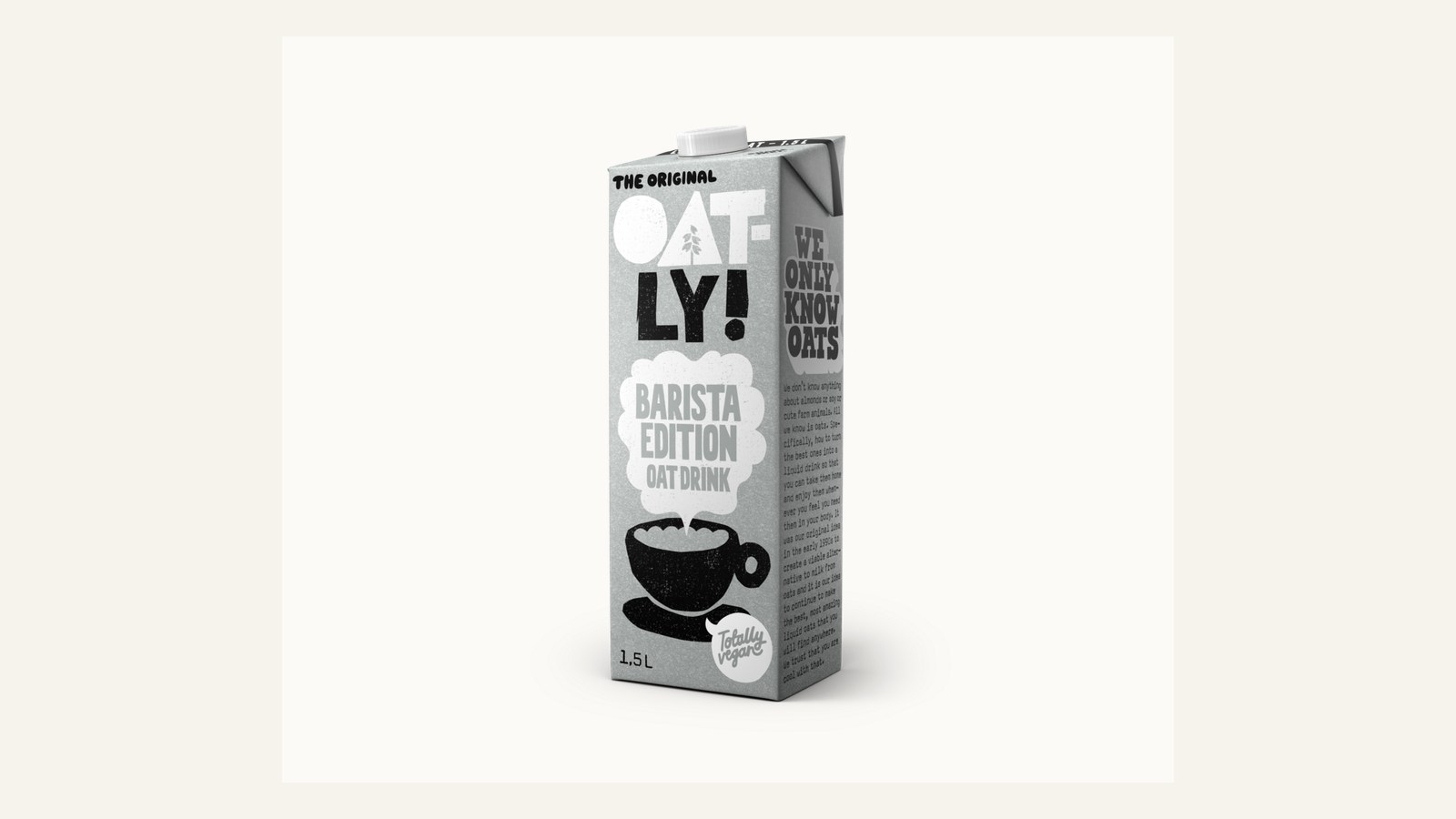
Why Oatly Barista works as a starting point
Oatly Barista Edition is useful because the job is already close to milkshake building: body, smoothness, and stability in a drink. Retail nutrition listings for the 1L Barista product show 61kcal per 100ml, 3.0g fat, 7.1g carbohydrate, 3.4g sugars, 1.1g protein, and added vitamins/minerals including calcium and B12. Those numbers explain the trade-off: it can bring texture, but it is not a protein solution by itself.
Use it for chocolate, coffee, banana, cereal, and malt-style recipes. For berry shakes, start with less base and add slowly; too much oat flavour can soften the fruit. For protein recipes, account for the powder separately rather than assuming the oat drink carries the nutrition.
Where Alpro high-protein chocolate fits
Alpro Soya High Protein Chocolate is a different tool. Official and retailer information describes a plant-based chocolate soya drink with around 5g protein per 100ml, calcium, and vitamins. That makes it more useful when the shake should feel like a protein dessert without dairy.
The trade-off is control. A chocolate protein drink sets the flavour before you add anything else. It can work with banana, peanut butter, coffee, or ice, but it is less flexible than a neutral oat base. If the recipe needs strawberry, vanilla, or tropical fruit, a chocolate soya drink may take over.
Sweetness control
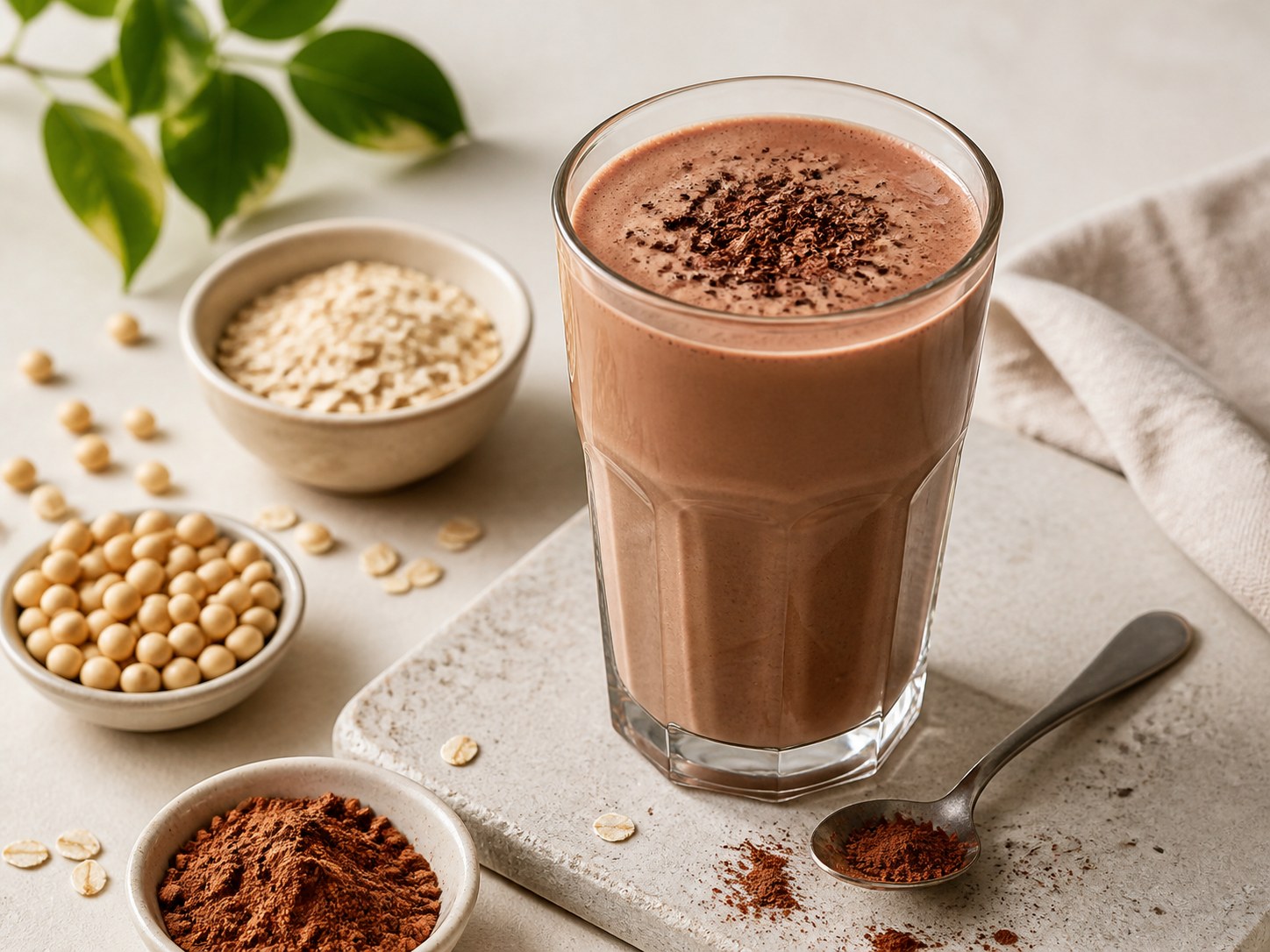
Sweetness should be planned before toppings. Bananas, syrup, flavoured protein powder, chocolate spread, and cereal all add sweetness. A sweetened base plus sweet add-ins can make the drink heavy quickly. Unsweetened or lightly sweetened oat bases are safer when the recipe already contains sweet ingredients.
For children’s dessert-style shakes, a sweeter base may be acceptable because the goal is treat value. For breakfast or post-workout shakes, a lower-sugar base gives more control. The mistake is assuming “plant-based” automatically means lighter.
Protein and fullness
Oat drinks often contribute less protein than dairy or soya. If protein matters, calculate the finished shake: base plus powder, yoghurt alternative, nut butter, or ready-to-drink protein component. A creamy oat shake can still be low protein. A high-protein soya shake can still be too sweet or too specific in flavour.
This is why plant-based vs dairy milkshakes is useful before buying a case. Dairy has a naturally familiar protein and texture baseline; plant-based quality depends heavily on the chosen base.
When Huel belongs in the conversation
Huel Ready-to-drink is not a neutral blending base, but it is a useful boundary marker. It shows the difference between “milkshake-style plant drink” and “complete meal-style bottle.” Official pages position Huel Ready-to-drink around complete nutrition, while retailer listings highlight 20g protein and 8g fibre for the Chocolate bottle.
Use Huel when convenience and nutrition structure are more important than recipe control. Do not use it as a general oat base unless the recipe is specifically built around its flavour and nutrition profile.
Practical recipe matches
For chocolate banana, use Oatly Barista if you want a smoother oat finish, or Alpro high-protein chocolate if protein is the point. For coffee shakes, Oatly Barista is the cleaner match. For berry shakes, use a lighter oat base sparingly and thicken with frozen fruit or dairy-free ice cream. For gym-focused shakes, start with the protein target and then choose the base.
If buying bottled alternatives instead of blending, compare with best protein milkshakes UK and Huel Ready-to-drink vs UFIT. If you are deal shopping, use bottled milkshake deals to avoid overbuying the wrong format.
Sources checked
- Oatly Barista Edition official product page
- Tesco Oatly Barista Edition listing
- Alpro Soya High Protein Chocolate official page
- Tesco Alpro High Protein Chocolate listing
- Huel Ready-to-drink official page
Texture troubleshooting
If an oat shake turns watery, the fix is usually not more syrup. Use less ice, add frozen banana, choose a barista oat drink, or blend in a thicker dairy-free ice cream. If the shake tastes flat, add cocoa, coffee, salt, or vanilla before adding more sweetener. If it tastes too oat-heavy, switch part of the liquid to a neutral plant drink or use stronger ingredients such as berries or espresso.
For protein shakes, add the powder slowly. Some powders thicken after sitting for a few minutes, while others become chalky when over-blended. A high-protein soya chocolate drink may need less powder because the base already contributes protein and flavour.
Shopping checklist
Before buying a base, check five things: protein per 100ml, sugars per 100ml, whether oils or stabilisers are used for body, calcium or vitamin fortification, and whether the flavour is neutral enough for your recipe. Oatly Barista is useful when body matters. Alpro high-protein chocolate is useful when protein and chocolate direction matter. Huel is useful when the whole bottle is the answer and no blending is needed.
Do not let a clean-looking front label decide the purchase. A minimal oat drink can be excellent in cereal and weak in milkshakes. A richer barista drink can be less minimal but much better for texture.
Best pairings
Oatly Barista pairs well with coffee, cocoa, banana, cinnamon, malt-style flavours, and cereal. Alpro high-protein chocolate pairs with banana, peanut butter, coffee, and ice. Lighter oat drinks work with berries only when thickened by frozen fruit or dairy-free ice cream. Huel is best left as its own bottle unless you intentionally build a smoothie around it.
Before you buy a full carton case
Do one small recipe trial before committing to multiple cartons. Blend the base with the exact ingredients you expect to use most often, chill it for five minutes, and taste again. Some oat bases taste fine immediately but become thinner after standing. Some protein drinks thicken or become chalkier as the powder hydrates. The second taste tells you more about daily use than the first sip.
Also decide whether the base is meant to be invisible or expressive. Oatly Barista is not invisible; it can add a rounded oat note that is excellent with coffee and chocolate but less neutral with strawberry. Alpro high-protein chocolate is expressive by design and should be treated as a chocolate ingredient. Huel is already a complete drink, so adding it to a recipe can make calories, fibre, and flavour harder to control.
If the shake is for children, keep the recipe simple and avoid stacking sweet ingredients. If it is for post-workout use, calculate protein from the finished glass, not from the front label of the base. If it is for dessert, texture matters more than protein and a richer base or dairy-free ice cream may be the better upgrade.
FAQ
Is barista oat drink always better for milkshakes?
Not always, but it is a stronger starting point when texture matters. Standard oat drinks can work for lighter fruit blends.
Is oat milk high protein?
Usually no. Check the label and calculate the whole recipe if protein is the reason for the shake.
Can I use chocolate soya protein drink as a base?
Yes, but only when chocolate is the intended flavour. It is not a neutral base.