AI-generated illustration — not a retailer product photo.
The deal rule
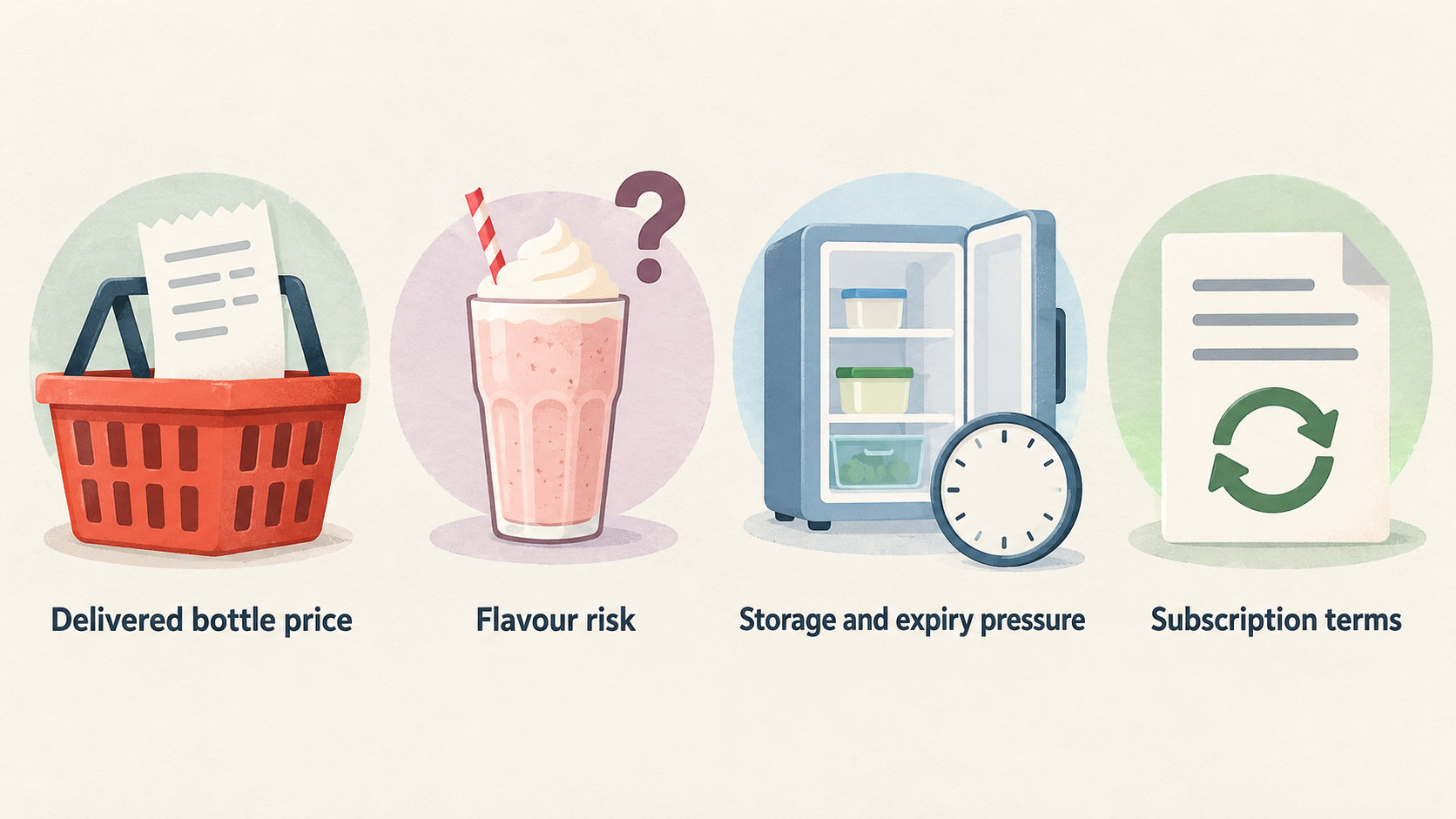
A bottled milkshake deal is worth buying only when the final delivered price, flavour risk, storage window, and bottle job all work at the same time. A loud percentage discount is not enough. A smaller supermarket offer can beat a direct case if delivery costs, unused flavours, or expiry pressure make the case less practical.
What we count before calling something a deal
This article is an editorial desk review for shoppers, not a laboratory tasting panel. We used official brand pages, retailer listings, nutrition panels, ingredient lists, and pack-format information to make the comparison useful before purchase. Our site standards are described on the about page and in the editorial policy, and commercial relationships are covered in the affiliate disclosure. For this piece, the buying question is specific: deciding whether a milkshake discount is genuinely useful rather than just visually persuasive.
Milkshakes create a different buying risk from dry goods. They are flavour-sensitive, sometimes chilled, and often bought in formats that encourage over-ordering. The calculation should start with the basket total, not the badge on the product tile.
| Deal type | When it can work | What to check first |
|---|---|---|
| Supermarket single-bottle promo | You want one known flavour now | Per-bottle price and bottle size |
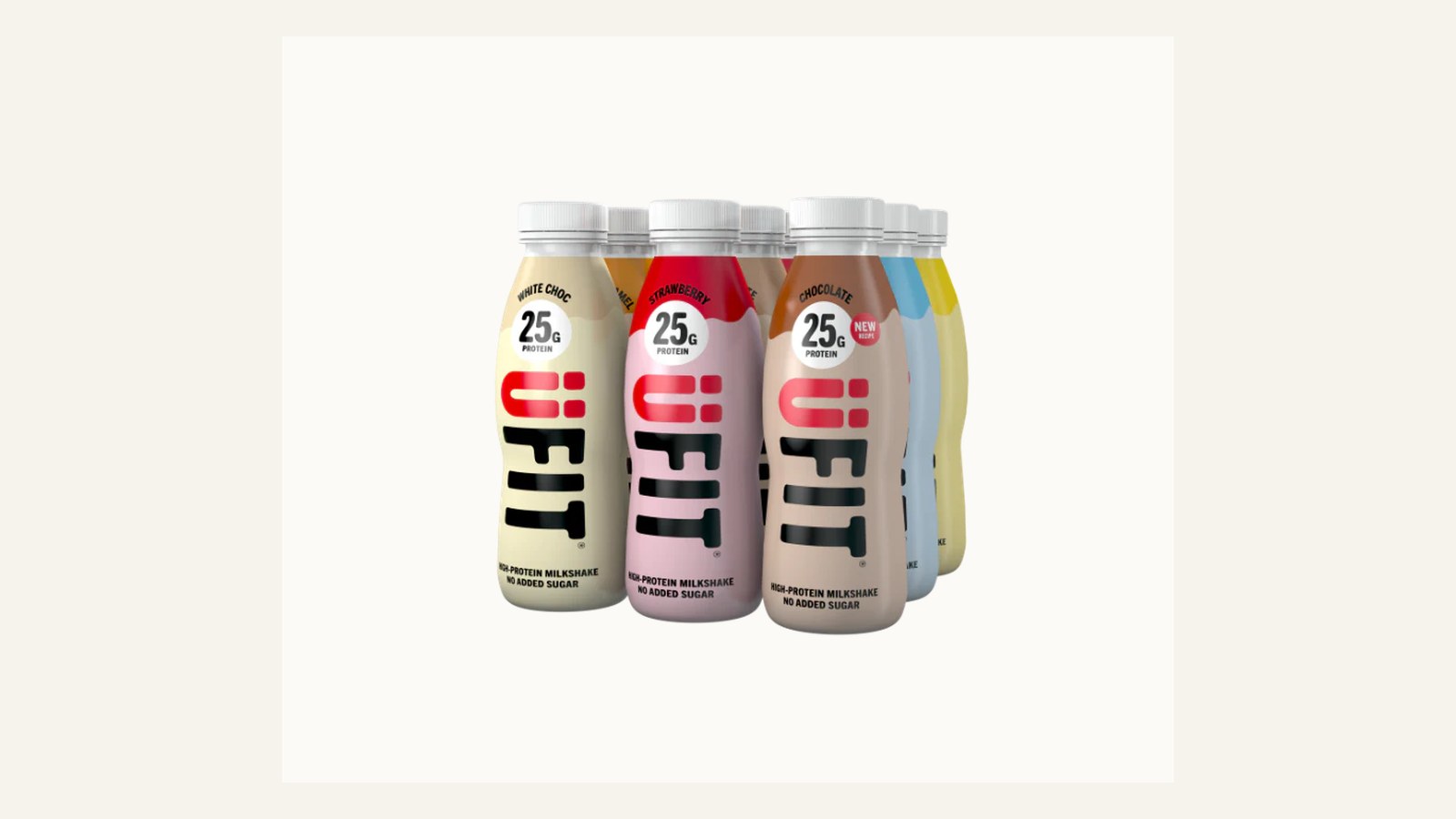
| Direct UFIT case | You already like the flavour or want a mixed protein case | Delivery threshold, case count, best-before window |
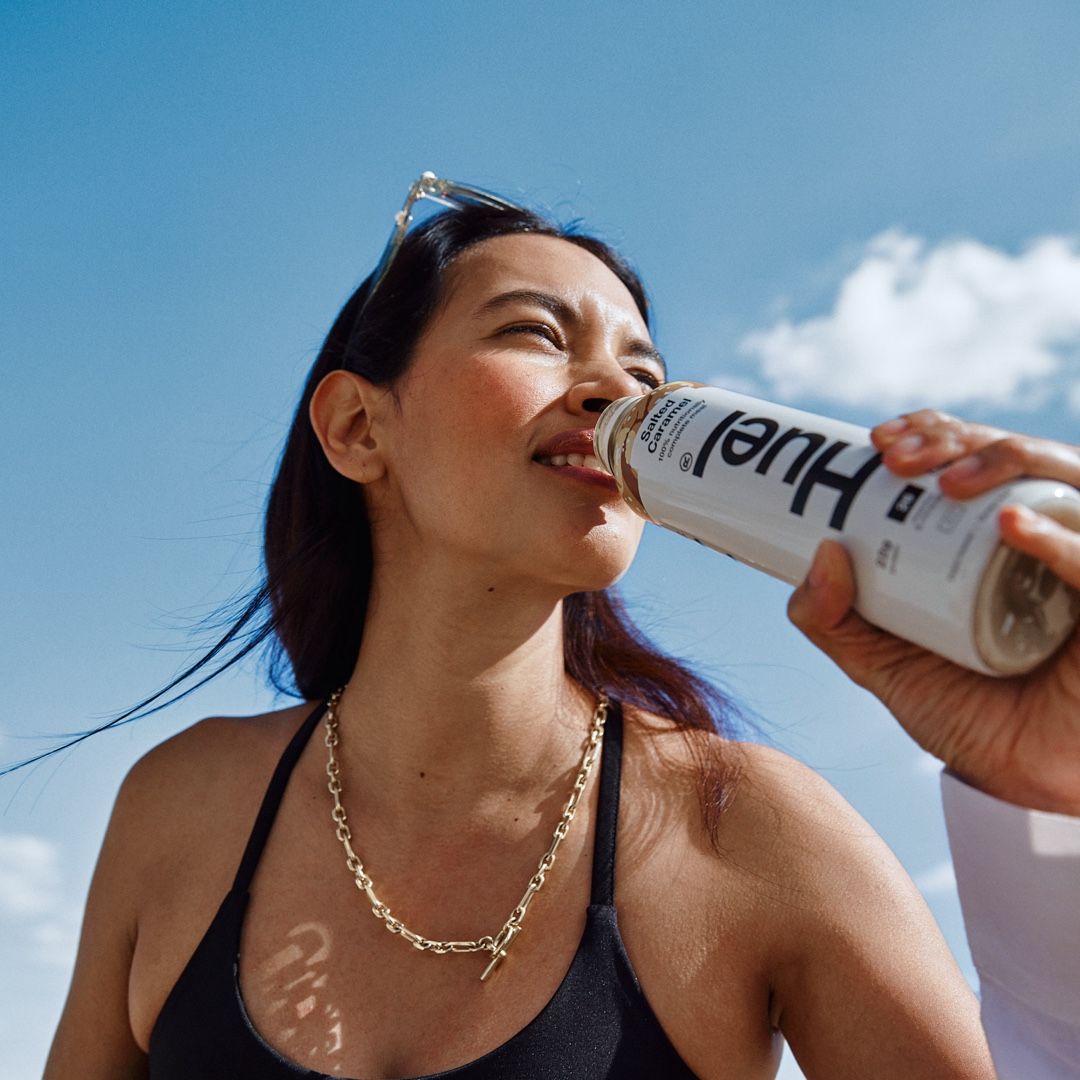
| Huel case or subscription | The bottle replaces breakfast or lunch | Price per meal-like bottle, renewal terms, storage |
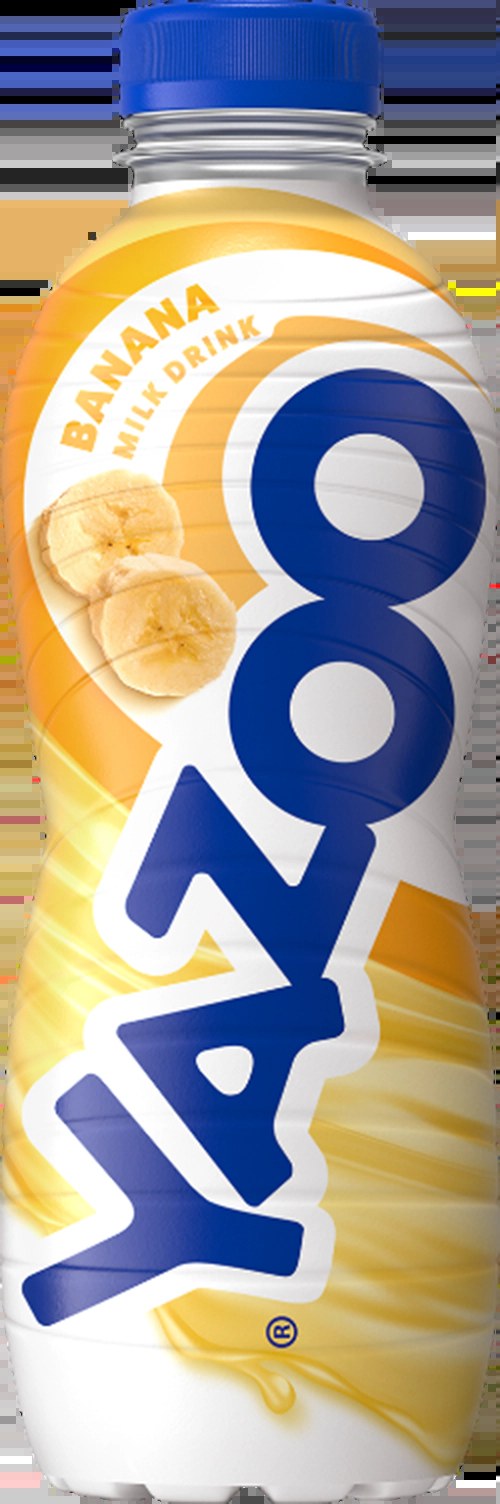
| Yazoo multi-buy | Household fridge stock | Whether every flavour will be used |
| Premium chilled bottle offer | Treat purchase | Whether richness justifies price after serving size |
Step 1: calculate the delivered bottle price
Start with the final basket total after delivery, discounts, and minimum-spend rules. Divide that number by bottles or servings. A 20 percent discount can disappear if the order misses free delivery. A supermarket offer with no delivery cost can be better for a first-time buyer even when the headline saving looks smaller.
UFIT’s direct shop often pushes case logic, while retailer listings such as Ocado help benchmark a single-bottle or smaller-purchase price. Huel’s Ready-to-drink cases should be compared with meals or lunch replacements, not just with flavoured milk. Yazoo and FRijj should be compared by bottle size and shelf price.
Step 2: price the flavour risk
A case is not a bargain if two flavours sit in the fridge until nobody wants them. Mixed packs reduce the risk, but they can also hide weaker flavours inside the bundle. Single-flavour cases are best for repeat buyers who already know the product.
This is where product type matters. A household may finish Yazoo flavours quickly because the drink is light and familiar. A 50g protein bottle may be slower to use because it belongs to a narrower routine. Huel may work only on days when the buyer actually wants a meal-style bottle.
Step 3: check storage and expiry pressure
Chilled and ready-to-drink products create a pace problem. If a case pushes you to drink more than usual, the saving is not real. Check the number of bottles, the expected use per week, and whether other household members will help finish them.
For direct protein bundles, also check whether the order is shelf-stable or chilled and how quickly you realistically drink that format. A bottle that is useful after the gym twice a week is not the same as a family drink that disappears daily.
Step 4: know the subscription terms
A subscription can be good value when the product is already part of a routine. It is poor value when it turns a trial purchase into a recurring obligation. Before subscribing, check renewal timing, skip options, cancellation process, delivery fees, and whether the discount is introductory.
Huel-style subscriptions should be judged as routine nutrition purchases. UFIT-style protein cases should be judged by flavour and protein need. A premium milkshake treat rarely needs a subscription unless it is a household staple.
When to buy now
Buy now when the flavour is known, the delivered price beats your normal page, and the case size fits the next few weeks. A mixed protein pack can be reasonable if the buyer is actively comparing UFIT formats. A Huel case can be reasonable if the bottles will replace meals that would cost more. A supermarket Yazoo offer can be reasonable for a family fridge if the flavour is already accepted.
Do not buy now just because the sale is expiring. Milkshake purchases punish impulse more than pantry purchases because taste and storage matter immediately.
When to wait
Wait when the deal depends on one unfamiliar flavour, when delivery fees erase the saving, or when the bundle is too large for the household. Also wait when the product role is unclear. If you do not know whether you want a treat, a protein bottle, or a meal-style drink, a case purchase is premature.
Use best bottled milkshakes to narrow the category first. If protein is the reason for buying, read UFIT protein milkshake review and Huel Ready-to-drink vs UFIT before committing.
Sources checked
- UFIT all-products page
- Huel Ready-to-drink official page
- Yazoo buy online page
- Tesco Huel Ready-to-drink listing
- Ocado UFIT Chocolate 25g listing
Worked examples
Imagine a direct UFIT case looks cheaper per bottle than a supermarket single. That can be true, but only after delivery and flavour risk. If the case contains ten bottles and two flavours are unwanted, the effective price of the bottles people actually drink rises quickly. A variety pack is often better for the first order because the information gained is part of the value.
Now compare Huel. A Huel Ready-to-drink case should not be compared only with Yazoo or FRijj. If it replaces a work lunch, the value can be strong even at a higher bottle price. If it is consumed as an extra snack, it may be expensive. The same bottle can be good value or poor value depending on what it replaces.
Yazoo and FRijj are simpler. Their deals are strongest when bought as known flavours at a shop the buyer already uses. A supermarket promotion that saves a small amount can beat an online order if there is no delivery fee and no case commitment.
Deal red flags
Be cautious when the best price requires too many bottles, when the offer hides delivery until checkout, or when the discount applies only to an introductory subscription. Be cautious with flavours described as limited edition if the buyer has never tried the base range. Be cautious when a protein case uses one flavour across the whole order.
The easiest safe deal is a known product at a lower per-bottle price with no new commitment. The riskiest deal is a large single-flavour case bought because a countdown timer made it feel urgent.
After-purchase check
After buying a deal, note whether every bottle was used naturally. If the household had to force the last few bottles, the case was too large. If the flavour became tiring, the next order should be mixed or smaller. If the subscription renewed before the previous case was finished, cancel or pause before chasing another discount.
Retailer comparison notes
For retailer comparison, separate impulse bottles from routine bottles. A Yazoo or FRijj promotion is often an impulse or household-fridge decision, so the right comparator is the price you normally pay in that shop. A UFIT direct bundle is a routine decision, so the comparator is the protein drink you would otherwise buy during the week. A Huel case is a meal-replacement decision, so the comparator may be breakfast, lunch, or a meal deal. Mixing those comparators makes almost every deal look better or worse than it really is.
Another useful check is the failure cost. If a single Yazoo flavour disappoints, the loss is small. If a ten-bottle case disappoints, the loss is larger and the fridge space is occupied. If a subscription renews unexpectedly, the mistake repeats. Strong deals reduce the failure cost as well as the headline price.
For shoppers who buy for children or a household, flavour concentration matters more than adults expect. A deal on one flavour is weaker than a smaller deal across several accepted flavours. For protein buyers, the reverse can be true: one known flavour may be safer than a mixed case that includes two flavours nobody wants. Use purchase history, not just the discount, to decide.
FAQ
Is a direct case cheaper than supermarket buying?
Sometimes. It depends on delivery, case size, bottle size, and whether you would have bought every bottle anyway.
Are mixed cases always safer?
They reduce single-flavour risk, but they still need every included flavour to be plausible for your household.
Should I subscribe on the first order?
No. Trial first unless you already know the flavour, schedule, and cancellation terms.