Verdict by use case
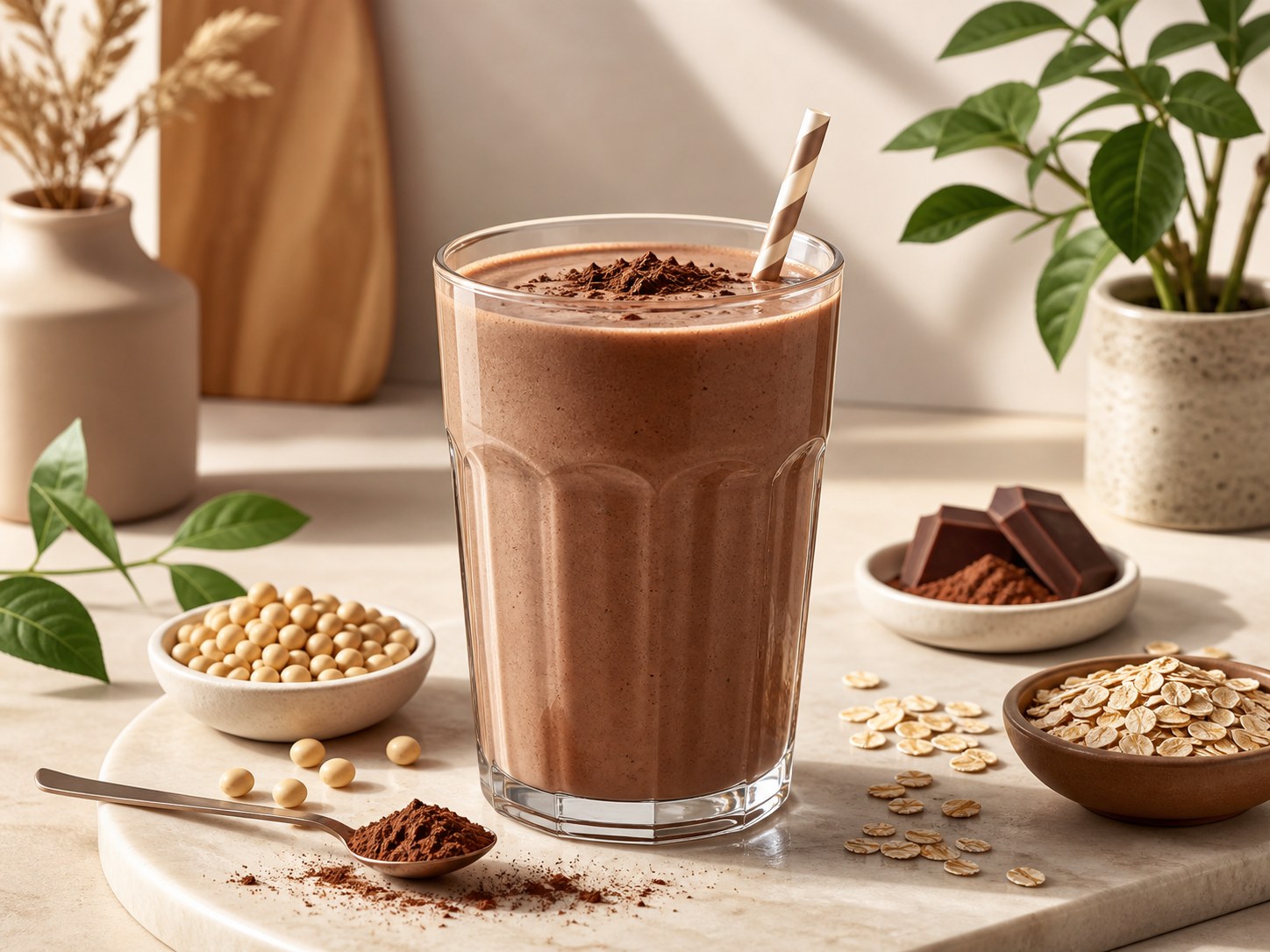
AI-generated illustration — not a retailer product photo.
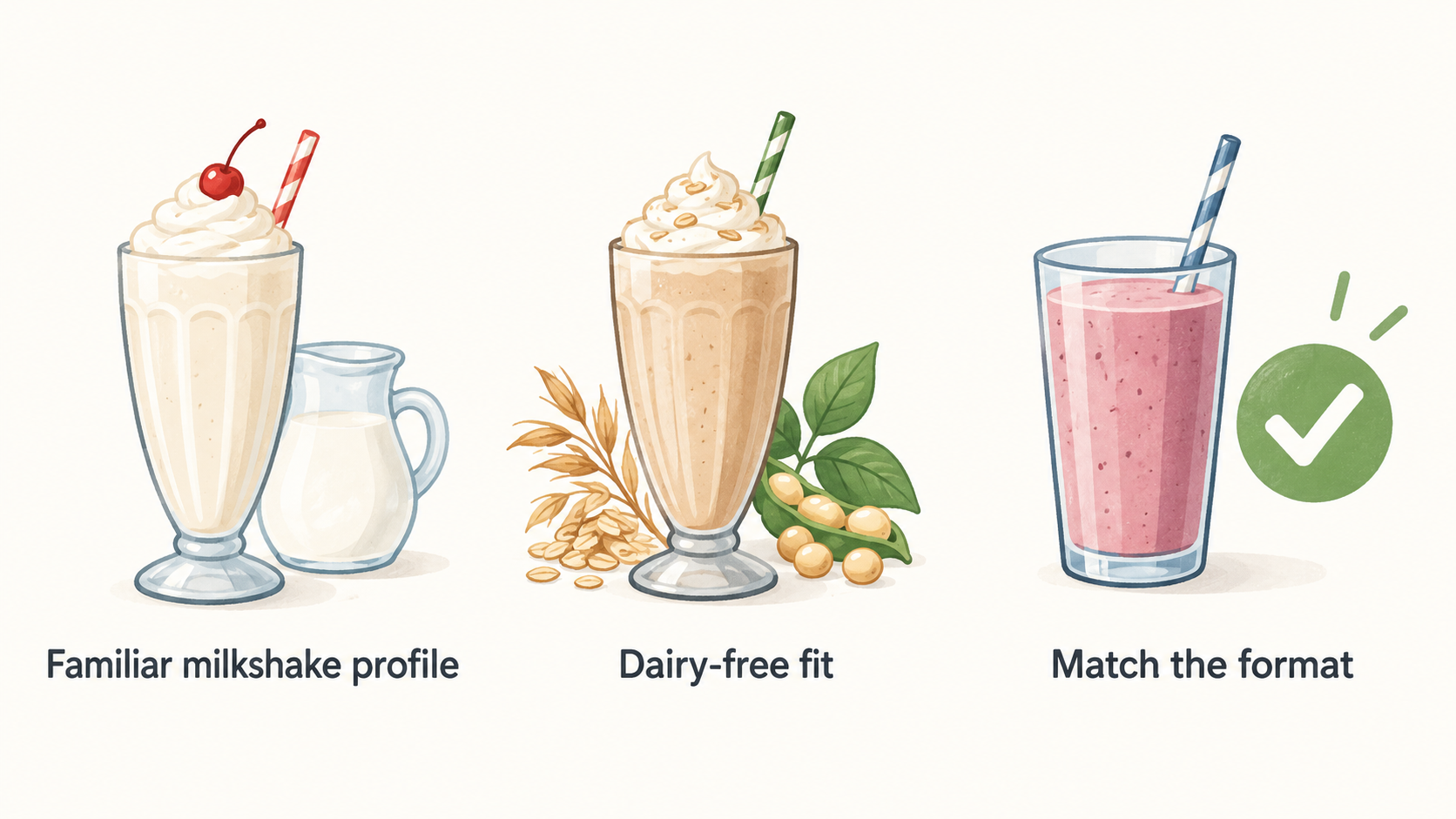
Choose dairy when you want a familiar milkshake profile, simple flavour expectations, and easier protein/calcium comparison. Choose plant-based when dairy-free fit, oat texture, soya protein, or meal-style nutrition matters more than classic richness. The strongest answer is not “dairy wins” or “plant wins”; it is matching the format to the drinking job.
Scope of this comparison
This article is an editorial desk review for shoppers, not a laboratory tasting panel. We used official brand pages, retailer listings, nutrition panels, ingredient lists, and pack-format information to make the comparison useful before purchase. Our site standards are described on the about page and in the editorial policy, and commercial relationships are covered in the affiliate disclosure. For this piece, the buying question is specific: choosing between dairy and plant-based milkshake formats using real bottle roles rather than broad diet slogans.
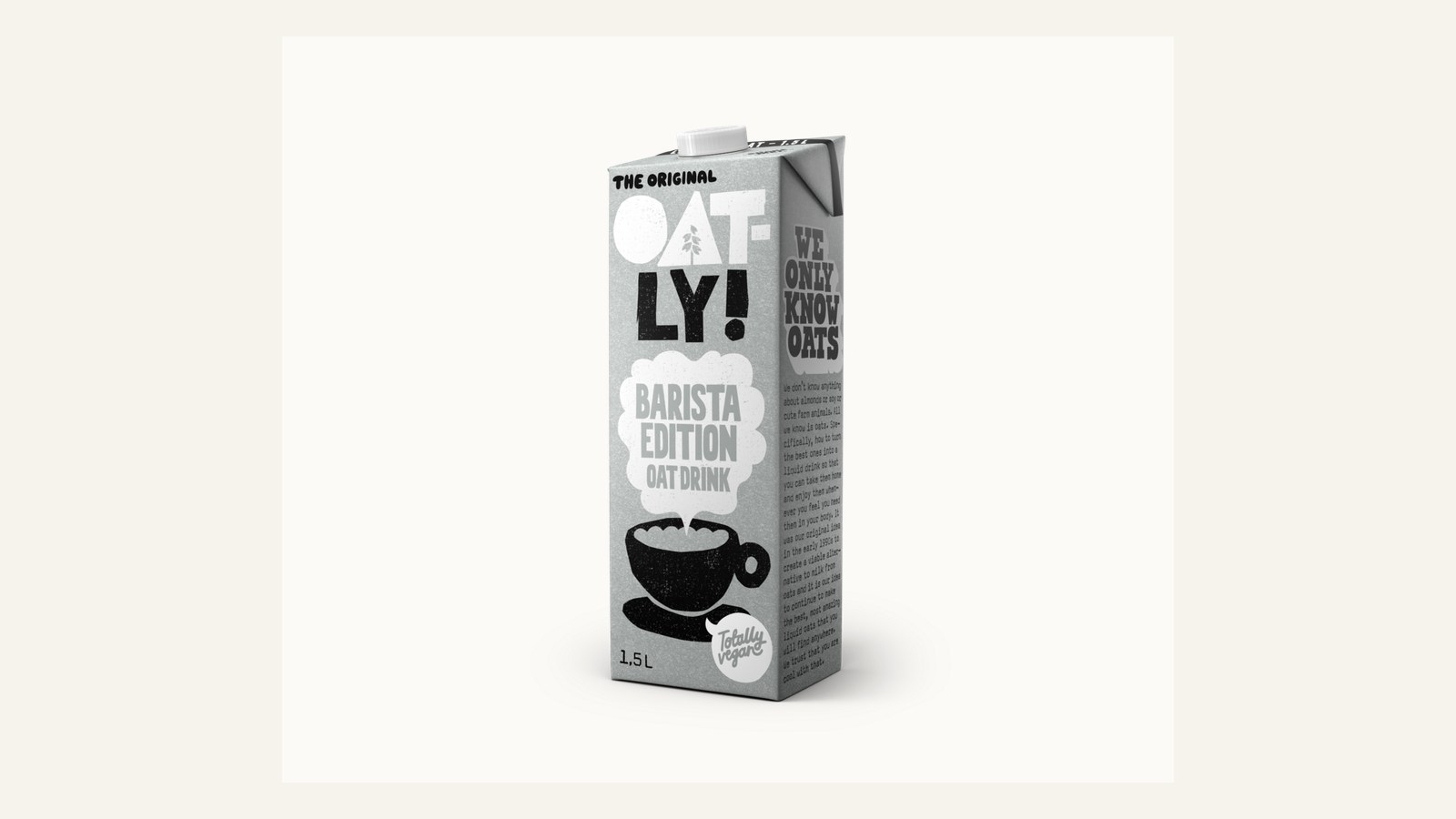
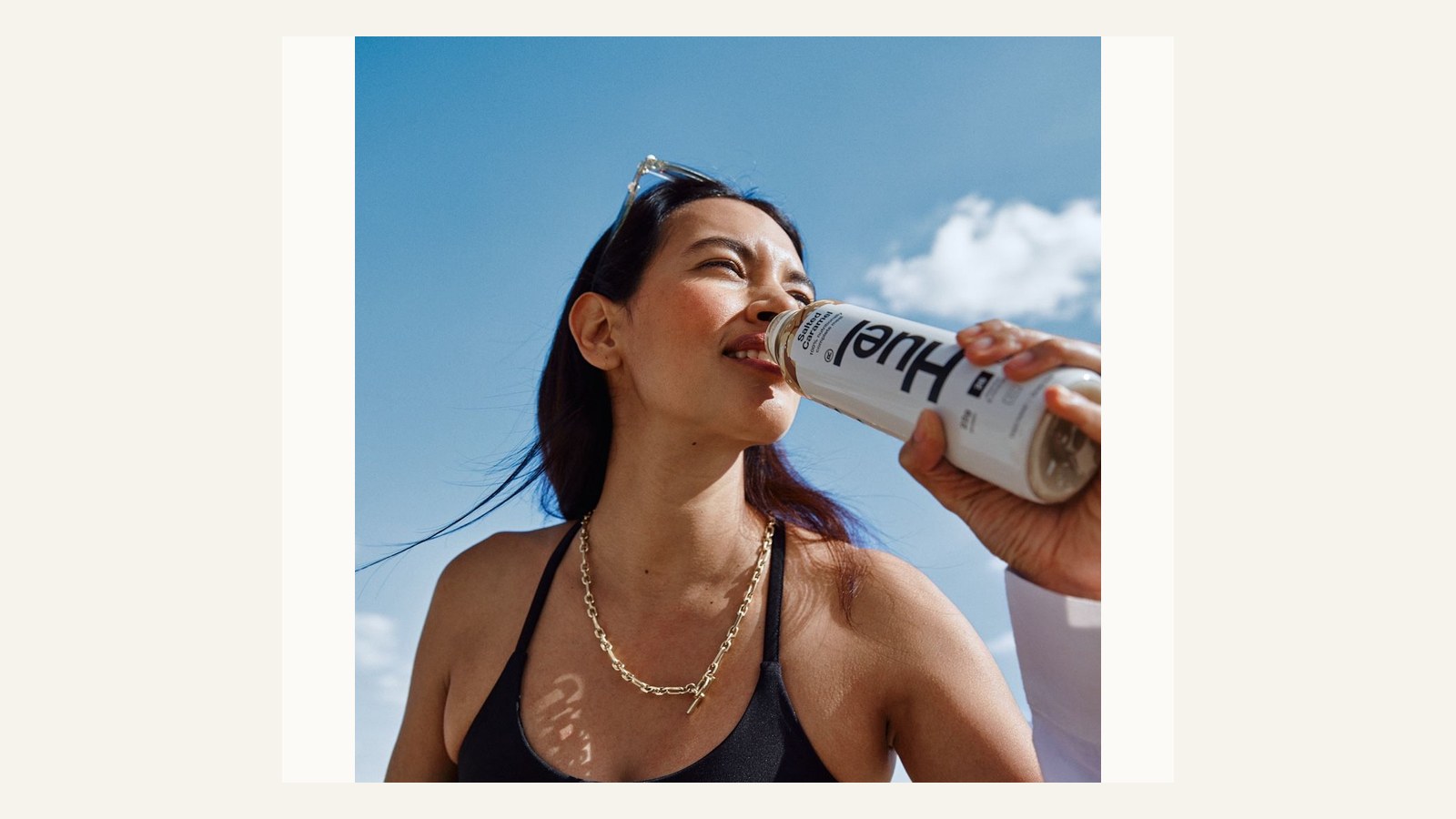
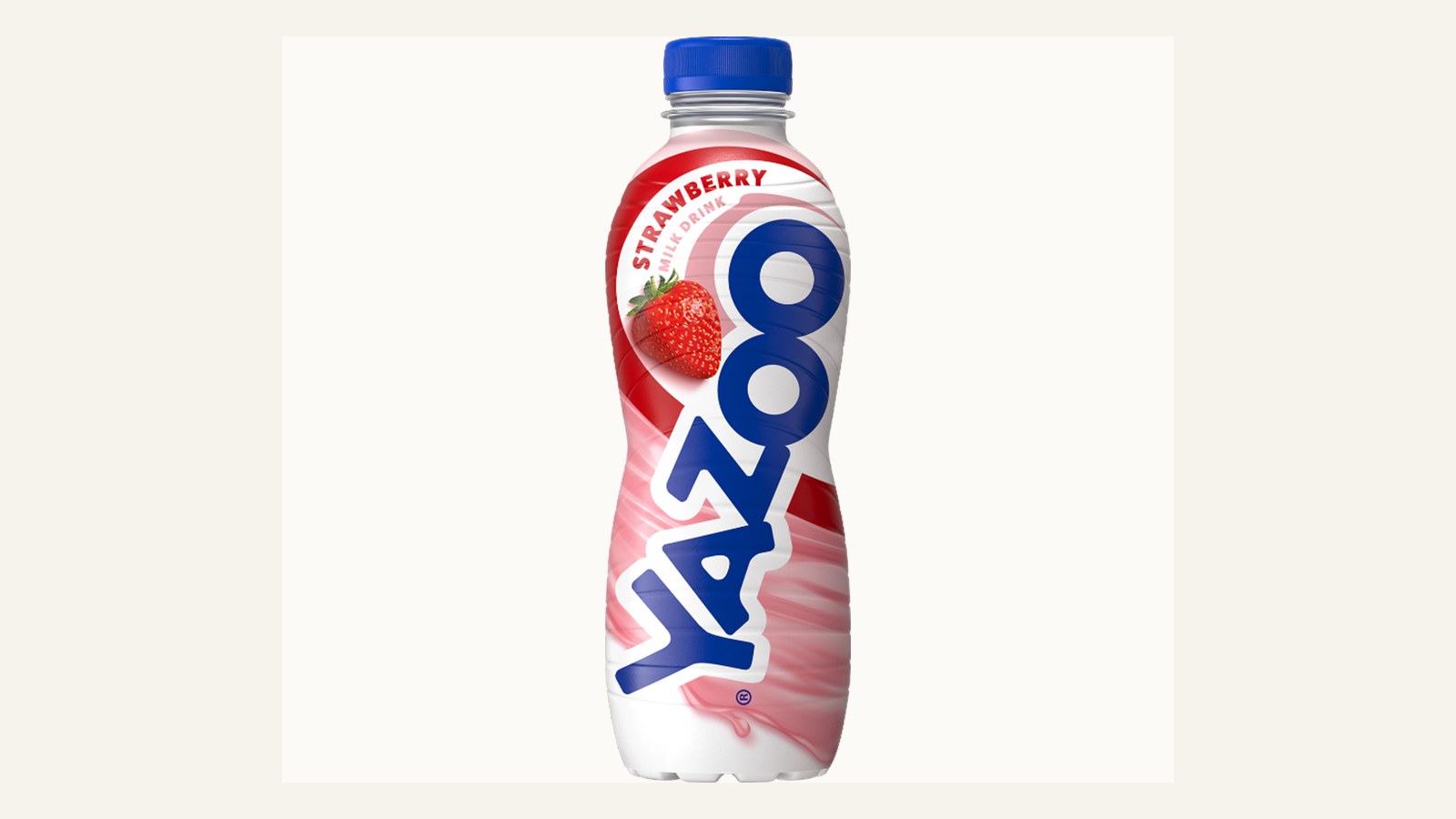
We used Yazoo dairy milk drinks as the mainstream dairy baseline, Oatly Barista as the oat-base example, Alpro Soya High Protein Chocolate as the higher-protein plant drink, and Huel Ready-to-drink as the complete-meal boundary. These are not identical products, which is the point: shoppers often group them together because they are cold, sweet, and bottle-friendly, but they serve different needs.
| Decision point | Dairy milkshakes | Plant-based milkshakes |
|---|---|---|
| Texture baseline | Naturally rounded, especially in milk-led bottles | Depends on base; barista oat and soya protein are stronger than thin oat drinks |
| Protein comparison | Usually easier to read through milk, protein, and calcium panels | Varies widely; oat is often low, soya/Huel-style drinks can be higher |
| Strong flavour lane | Chocolate, strawberry, banana, malt, classic dessert notes | Coffee, oat cereal, chocolate soya, dairy-free fruit blends |
| Main risk | Too sweet or poor value by bottle size | Thinness, base flavour taking over, or overclaiming nutrition |
Texture: dairy starts ahead, plant-based can catch up
Dairy has a natural advantage because milk already brings body, protein, and a familiar creamy finish. Yazoo is not the thickest dairy drink, but even its lighter format gives shoppers an easy reference point. FRijj and Shaken Udder move further toward treat texture.
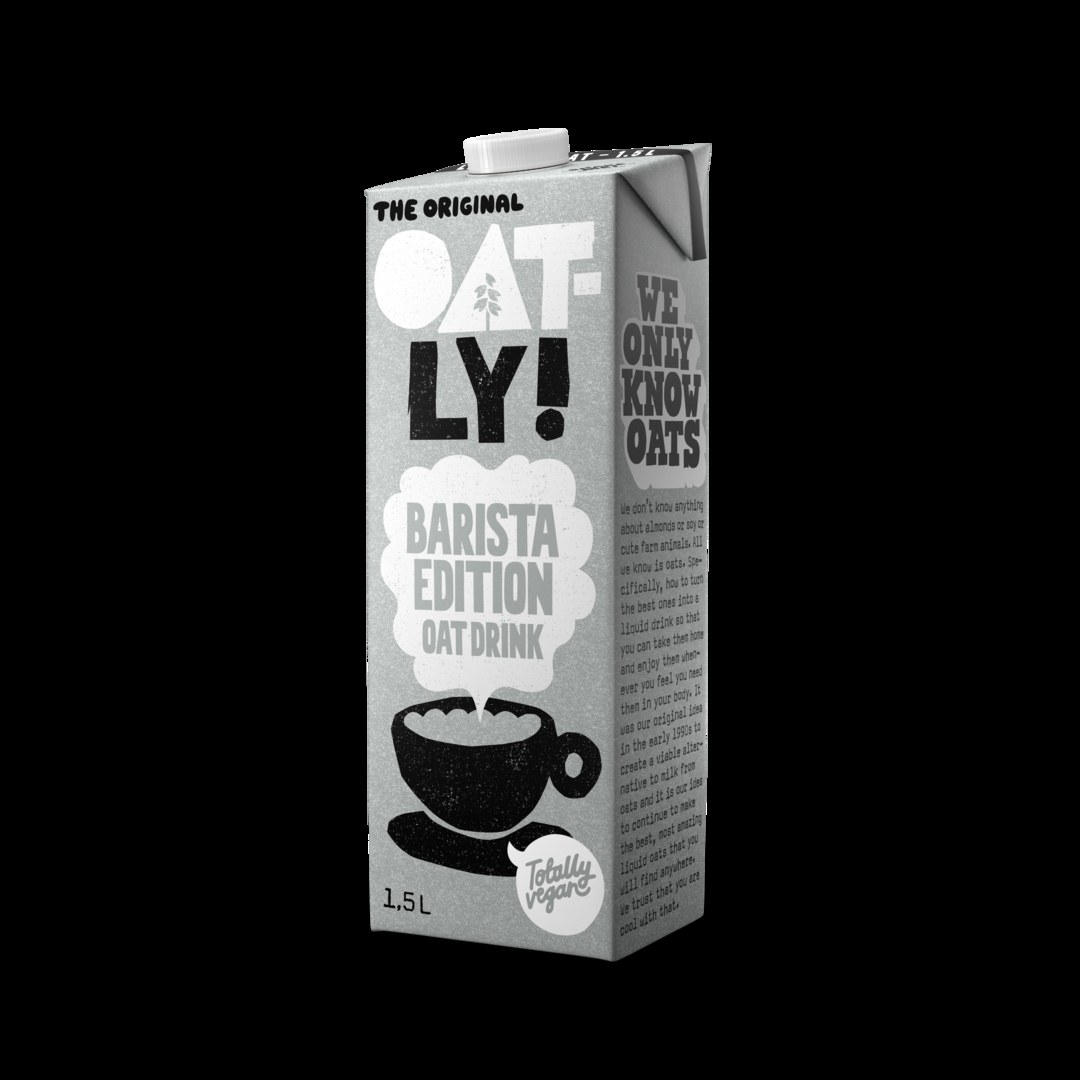
Plant-based drinks need more selection. Oatly Barista can provide body because the product is built for a fuller drink experience. Standard oat drinks may taste thin after blending. Soya high-protein chocolate can feel more substantial, but it also sets the flavour direction. The lesson is to compare the actual base, not the word “plant-based.”
Nutrition: do not assume either side
Yazoo’s flavour pages publish per-100ml figures and calcium/protein notes. That makes dairy comparison straightforward. Oatly Barista’s retailer information shows lower protein per 100ml than dairy milk drinks, while Alpro’s high-protein soya chocolate listing shows a stronger protein contribution. Huel Ready-to-drink changes the category again with meal-style positioning, 20g protein, and fibre claims on retailer pages.
That means plant-based can be lower protein, similar protein, or a complete-drink format depending on the product. A shopper who simply swaps dairy for oat may lose protein. A shopper who chooses soya protein or Huel may gain structure but give up classic milkshake character.
Ingredients and allergens
Dairy milkshakes require milk compatibility. That is obvious, but it is still the decisive factor for many readers. Plant-based drinks can remove dairy but may introduce soya, oats, oils, stabilisers, or added vitamins. None of those are automatically negative; they simply need to be checked.
The useful question is whether the ingredient list supports the claimed job. A dairy flavoured milk should be clear about milk, sugar, flavouring, and stabilisers. An oat base should explain body and fortification. A protein soya drink should make protein and nutrition easy to verify. A complete drink should show why it belongs beyond the dessert category.
Flavour matching
Dairy works naturally with chocolate, strawberry, banana, caramel, vanilla, and malt. Plant-based drinks can be better when the base adds something useful: oat with coffee or cereal notes, soya chocolate with banana or peanut butter, and coconut with dessert-style recipes.
The mistake is expecting plant-based alternatives to disappear. A good oat base may still taste like oat. That can be positive in coffee or cereal shakes and distracting in sharp berry recipes. A stronger dairy-free shake is designed around the base rather than trying to hide it.
Buying and deal logic
Dairy supermarket bottles are easier to trial one at a time. Plant-based bases are often bought by the litre, and complete drinks are often sold in cases. That changes risk. If you are unsure, buy the smallest practical format first. Do not case-buy Huel, UFIT, or plant-based protein drinks until the flavour and routine are clear.
For more detailed paths, read choosing oat milkshake bases, Yazoo milk drink review, Huel Ready-to-drink vs UFIT, and best bottled milkshakes.
Sources checked
- Yazoo Strawberry official page
- Yazoo Banana official page
- Oatly Barista Edition official product page
- Tesco Oatly Barista Edition listing
- Alpro Soya High Protein Chocolate official page
Reader scenarios
A parent stocking the fridge should start with dairy unless a dietary need says otherwise, because the flavour expectations are simpler and the label comparison is easier. Yazoo is a good example of that everyday role. A vegan or dairy-free reader should start with base texture, not with the brand with the loudest packaging. Oatly Barista can work well when body matters; a thin oat drink can make the same recipe disappointing.
A gym-focused reader should not treat plant versus dairy as the first question. Protein target comes first. UFIT may be stronger than both a dairy treat shake and a low-protein oat drink. Huel may be stronger when the bottle is replacing a meal. Alpro high-protein chocolate may sit between base and protein drink.
Where each format fails
Dairy fails when it excludes the drinker, when sweetness is too high, or when the bottle is priced like a treat but drinks like a basic flavoured milk. Plant-based fails when the base is watery, when the product leans on wellness language without clear protein or nutrition, or when the flavour of oat/soya overwhelms the recipe.
Both formats fail when shoppers buy cases before checking. Dairy is not automatically good value because it is familiar. Plant-based is not automatically lighter because it is dairy-free. The label and the drinking job matter more than the category label.
Next step
If diet does not decide the issue, run a practical check: make or buy one dairy chocolate option, one oat-based option, and one protein-led option. Compare after chilling. Note texture after five minutes, sweetness at the end of the serving, and whether the drink replaces a real snack or just adds one. That simple trial is more useful than reading broad claims about dairy or plant-based drinks.
How to make the final decision
Start with non-negotiables. If dairy is not suitable, plant-based wins immediately and the only question is which base performs cleanly. If plant-based flavour is unwanted and there is no dietary reason to avoid dairy, dairy is the simpler page. When both are possible, compare the occasion. A lunchbox drink, a dessert glass, a gym bottle, and a breakfast replacement all point to different products.
For an everyday fridge, dairy often has the easiest path because the drinker already knows what milk, chocolate, strawberry, or banana should taste like. For a home blender, plant-based can be more interesting because oat, soya, or coconut notes can become part of the recipe. For nutrition-led buying, neither category wins automatically; UFIT, Huel, Alpro, and dairy milk drinks all need separate label checks.
A useful check is a small trial. Make the same chocolate-banana recipe with dairy and with oat, then compare body, sweetness, and aftertaste. If the plant-based version needs extra syrup to feel satisfying, it may not be the lighter choice. If the dairy version feels too heavy, plant-based may be the better routine drink.
FAQ
Is plant-based always healthier?
No. It depends on the product, sugar, protein, fortification, serving size, and what the drink replaces.
Is dairy always creamier?
Dairy has an easier texture baseline, but barista oat and soya drinks can make strong shakes when matched to the right recipe.
Which should I buy first?
If dietary needs do not decide it, buy one dairy bottle and one plant-based base for the same recipe and compare texture before buying cases.